

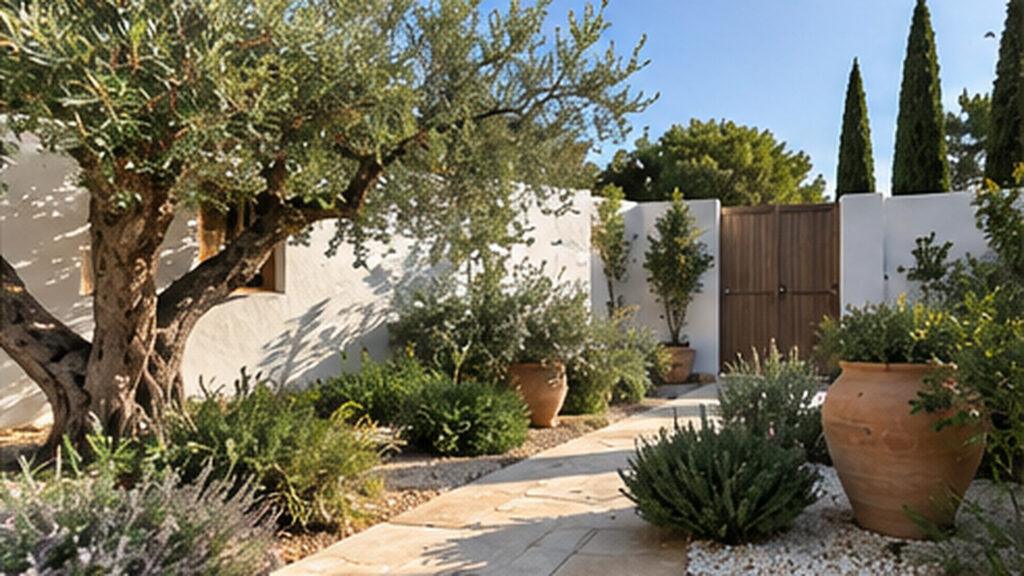
The last guests have gone, the pool is quiet and the villa may stay closed for weeks or even months. The garden, though, does not stop. As the heat eases and the first autumn rains arrive, plants change pace, and a garden set up for August rarely needs the same treatment in December. A little time spent now, before you lock the gate, saves a lot of work when you come back in spring.
Why the end of the season matters in Ibiza
Summer in Ibiza asks a lot of a garden: strong sun, long dry spells and irrigation running almost every day. Autumn brings softer light, cooler nights and rain that can be generous one week and absent the next. Wind becomes a bigger factor, especially on exposed plots and terraces.
That shift is the reason to review the garden before you leave. Irrigation programmed for peak summer can waterlog roots once the rains start. Tired or damaged branches can break in the first strong winds. Pots that coped well while someone was watering them every day may now sit in standing water. None of this is complicated to fix, but it is much easier to deal with while you are still on the island.
Adjust the irrigation before you leave
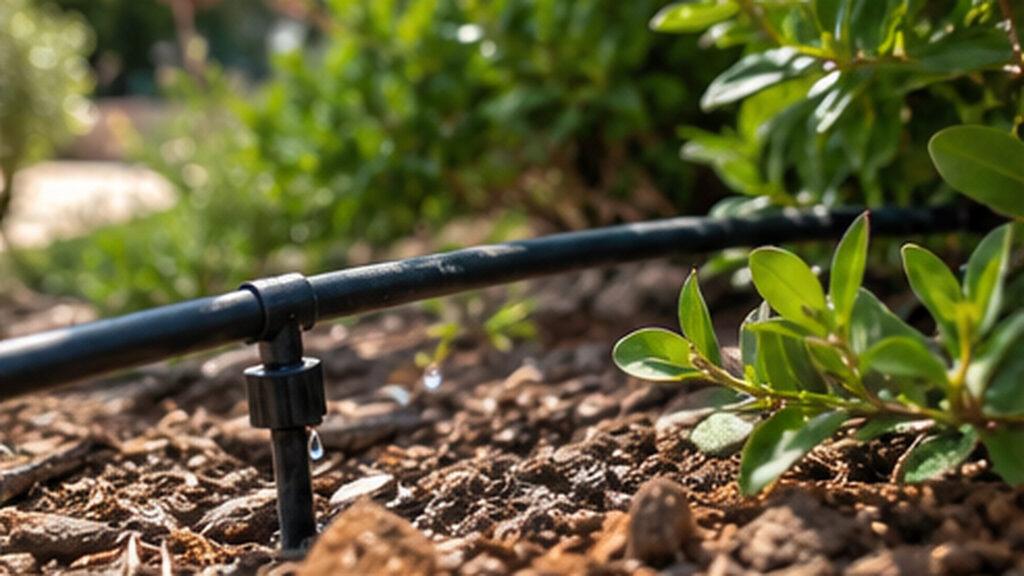
Irrigation is usually the first thing to change. Reduce the watering schedule rather than leaving the summer programme running: shorter cycles and fewer days are normally enough once temperatures drop and the soil holds moisture for longer. If your system has a rain sensor, check that it works and is not blocked by leaves or dust.
Walk the system with it switched on. Look for leaking joints, drippers that are blocked or have come loose, and sprinklers that soak paths, walls or the pool instead of the plants. Make a note of any area that stays wet for days after watering, as that is often where roots start to suffer in winter.
If you are not sure how far to cut back, or the system has grown piece by piece over the years, it may be worth having it looked at. Eiviplant handles irrigation installation and upgrades, and can inspect or improve systems for gardens, terraces, pots and lawns.
Pruning: what to do now and what to leave for later
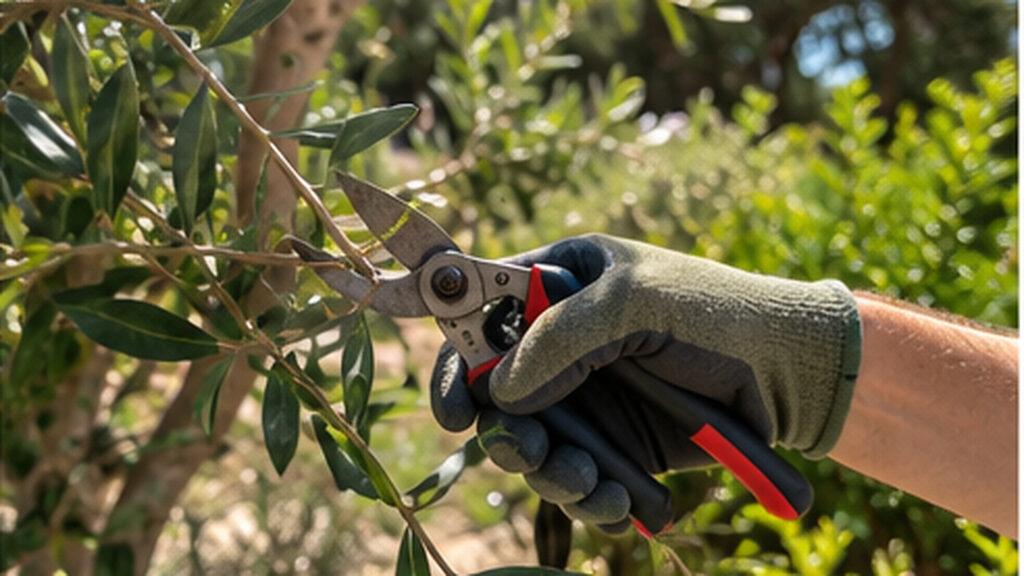
The end of the season is a good moment for tidy, light pruning, not for drastic cutting. Remove dead, diseased or broken branches, and anything that could become dangerous in a storm, such as limbs hanging over paths, the pool or the roof. Cut back spent summer growth where it looks untidy, and clear climbers away from gutters and shutters.
Leave the heavy pruning for later. Many Mediterranean shrubs and climbers that flower in spring form their buds in the months before, so cutting them hard now means fewer flowers next year. If you are unsure about a particular plant, it is better to leave it and ask than to guess.
Feeding: less is more in winter
Most plants slow down in the cooler months, so this is not the time to push them with strong fertiliser. Fast, soft growth in late autumn is more easily damaged by wind and cold. Instead, think of winter feeding as preparing the ground: a layer of organic matter or a slow-acting base feed improves the soil and supports roots without forcing new shoots.
Plants in pots are the exception that needs a little more thought, because their compost runs out of nutrients sooner. You will find options for both in our range of fertilisers.
Pots, planters and terraces
Containers are where most winter problems start. Check that every pot drains freely and lift those that sit flat on the terrace onto feet or small supports. Empty or remove saucers, as they turn into reservoirs as soon as it rains, and roots sitting in water rot quickly.
Group pots together in a sheltered corner, away from the strongest wind, and make sure tall or top-heavy plants are stable or tied in. Lightweight planters on roof terraces can tip over in a gale. If a pot has cracked over the summer, or a plant has clearly outgrown it, autumn is a sensible time to repot into a larger container with fresh compost. Have a look at our pots and planters if you need replacements.
Lawn and ground cover
What a lawn needs over winter depends on the type of grass. Warm-season grasses slow down and may lose some colour as temperatures fall, while cool-season mixes often pick up again with autumn rain. In both cases, reduce watering, raise the mowing height slightly for the last cut and clear fallen leaves so they do not smother the grass.
Bare or worn patches left by a busy summer can be repaired before the villa closes, so the lawn has time to settle. If the lawn needs replacing altogether, see our natural turf. Ground cover plants generally need little more than a tidy and a check that irrigation is not keeping them permanently wet.
Check for pests and fungus after the first rains
Mild, damp weather after a hot summer suits many pests and fungal diseases. Before you leave, take a close look at your plants: turn leaves over to check the undersides, look at new shoots and inspect the base of the stems, where rot often starts. Sticky leaves, black sooty deposits, white cottony patches or yellowing that spreads from the base are all signs worth investigating.
Remove badly affected leaves and fallen fruit, and avoid leaving plant debris in heaps against walls or under shrubs. If you find a problem, identify it before treating it, and use products suited to that pest or disease. Our plant protection range is a good place to start.
Before you close the villa: a quick checklist
- Reduce the irrigation schedule and check the rain sensor, if you have one.
- Fix leaks and unblock or replace drippers and sprinklers.
- Remove dead, broken or dangerous branches.
- Leave hard pruning of spring-flowering plants for later.
- Add organic matter or a gentle base feed instead of strong fertiliser.
- Empty saucers and make sure every pot drains.
- Move pots to a sheltered spot and secure tall plants.
- Clear leaves from the lawn, gutters, drains and the pool area.
- Check leaves and stems for pests and fungus.
- Note anything you want to change or redesign before next season.
If you are away all winter
If nobody will be at the villa for months, the garden still needs someone to keep an eye on it. Eiviplant can help with pruning, cleaning, irrigation checks, feeding, replacement planting, pest control and general garden improvements. We can also assess one-off work to restore a neglected garden or prepare an outdoor space before the season.
If you are thinking about bigger changes for next year, such as a new layout, more shade or planting that needs less water, winter is a good time to plan them with our landscaping service.
You may be wondering
